Guide, 6 steps
What to look for in liability and pet health insurance
You need
- Their microchip number
- Date of birth and breed
- 20 minutes to compare 2 or 3 quotes
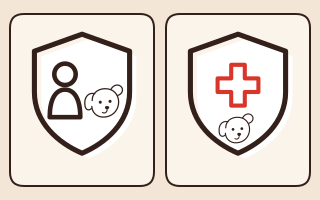
Step 1: Know the two types: liability insurance covers damage to other people or their property; pet health insurance covers part of your dog's vet bills. Check Kibi's insurance card for what's required where you live.
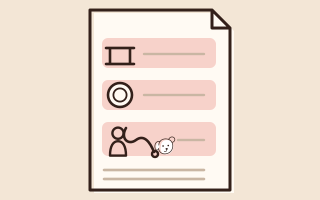
Step 2: Liability: check the coverage limit, the deductible and that it also covers anyone walking your dog.

Step 3: Health: check how pre-existing conditions are defined, waiting periods, deductible, reimbursement rate, and annual or lifetime limits.

Step 4: Read the exclusions: hereditary conditions, dental, behavior, routine care. Ask how premiums rise with age and whether you can choose your vet.

Step 5: Sooner is better: the fewer health issues on record, the less a policy can exclude. Still, some policies exclude or limit hereditary or congenital conditions and have waiting periods — check before you sign.
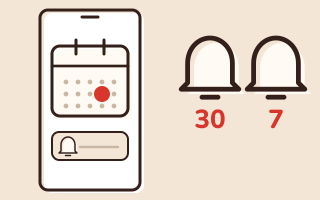
Step 6: Save the policy and add the renewal date in Kibi — we'll remind you 30 and 7 days before.


When to see the vet
- Ask your vet which health problems are common for their breed or size, so you know which coverage matters.
- If they've already had a health issue, ask for a record: it helps you understand what a policy might exclude.
Sources
- How do I choose the right pet insurance?
- Do you need pet insurance?
- Pet insurance — consumer guide
- Ley 7/2023, de 28 de marzo, de protección de los derechos y el bienestar de los animales (texto consolidado, BOE-A-2023-7936)
This is general information, not a diagnosis, and it doesn't replace your vet, who always has the final say.