Guide, 6 steps
Finding calories on the bag and measuring portions
You need
- Your puppy's food bag
- A kitchen scale that weighs in grams
- Their food bowl
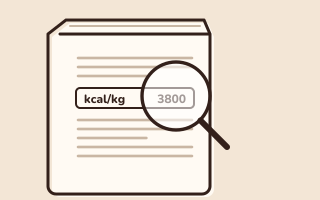
Step 1: Look on the bag for 'Calorie content (calculated)' — usually near the Guaranteed Analysis — with a number in kcal/kg (and kcal/cup).
Step 2: If it's missing, check the manufacturer's website or call the phone number on the bag.
Step 3: Check that it says 'complete and balanced' and is for growth (puppy) or 'all life stages'. For a future large dog, choose a large-breed puppy food.
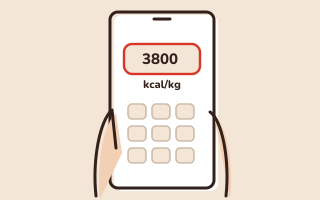
Step 4: Enter the kcal/kg in Kibi. We'll calculate grams per day and per meal.
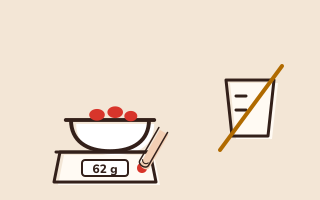
Step 5: Put the bowl on the scale, press 'tare' (zero) and add food up to the grams for that meal. Measuring cups are very inaccurate.
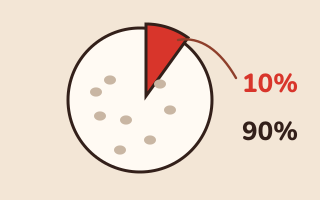
Step 6: Count the treats: they shouldn't be more than 10% of daily food.


When to see the vet
- You're not sure the food is right for a puppy.
- They gain or lose weight fast even on the recommended portion.
- They vomit, have diarrhea or stop eating after a food change.
Sources
- Selecting a pet food for your pet (WSAVA Global Nutrition Toolkit)
- National Pet Obesity Awareness Day: #BanTheCup
- Feeding Practices in Small Animals (Sanderson SL; full review Nov 2023, updated Oct 2024)
- Tips and Timelines for Transitioning Your Pet to a New Food
This is general information, not a diagnosis, and it doesn't replace your vet, who always has the final say.